The 6 Most Popular RAL Color Codes: A Complete Guide
RAL 9010, 9016, 7016, 7021, 9005, and 3020 — a detailed breakdown of the RAL colors architects and designers reach for most.
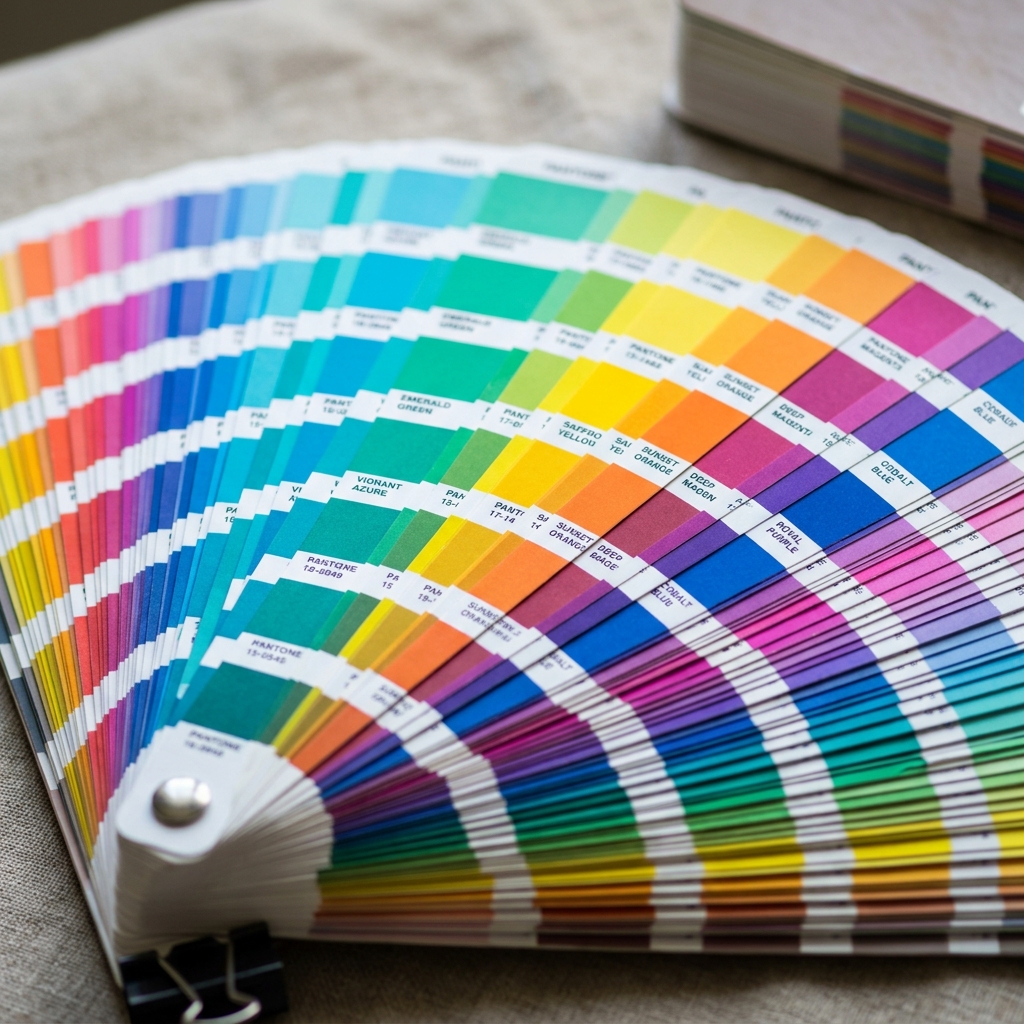
The 6 Most Popular RAL Color Codes: A Complete Guide
Of the hundreds of colors in the RAL Classic palette, a relatively small number appear repeatedly across architectural specifications, interior design briefs, and manufacturer data sheets. This guide covers those six: RAL 9010, RAL 9016, RAL 7016, RAL 7021, RAL 9005, and RAL 3020. For each, you will find a visual description, typical use cases, material pairings, HEX equivalent, and the most effective color combinations.
RAL 9010 — Pure White
HEX equivalent: #F4F4F0
Visual Description
RAL 9010 is not a clinical white — it carries a very subtle warmth. Under daylight it reads as natural and breathable; under cold LED lighting it shifts noticeably toward warm yellow. Compared to a true bright white, it feels more "human scale," which keeps it away from the institutional coldness that pure whites can project.
Where It Is Used
- Traditional and classic residential interiors
- Healthcare facilities and clinic waiting areas
- Hotel corridors and lobby walls
- Rustic and country-style kitchen cabinetry
Material Compatibility
Pairs exceptionally well with timber, limestone, and naturally textured surfaces. It recedes slightly next to polished metal but comes into its own alongside matte iron or bronze hardware.
Color Combinations
- RAL 9010 + RAL 7035 (Light Grey): Neutral, clean, and timeless
- RAL 9010 + RAL 8003 (Clay Brown): Natural and warm; works well in architectural detailing
- RAL 9010 + RAL 5014 (Pigeon Blue): Classic and refined, excellent for bedroom applications
RAL 9016 — Traffic White
HEX equivalent: #F6F6F6
Visual Description
RAL 9016 is as close to pure white as the RAL palette gets — but the "almost" matters. Where 9010 carries warmth, 9016 has a barely perceptible cool, slightly grey undertone. That quality makes it exceptionally strong in architectural contexts: it reads as sharp, resolved, and effortless.
Where It Is Used
- Modern and minimalist interiors
- PVC and aluminum window and door profiles
- High-ceilinged open-plan offices
- Industrial-style showrooms and galleries
Material Compatibility
Works perfectly with glass, matte metal, and concrete surfaces. When combined with timber, it sets the wood's grain and warmth forward rather than competing with it.
Color Combinations
- RAL 9016 + RAL 7016 (Anthracite Grey): The modern architecture pairing for facades and frames
- RAL 9016 + RAL 9005 (Jet Black): High-contrast luxury minimalism
- RAL 9016 + RAL 3020 (Traffic Red): Corporate but striking — for accent applications
RAL 7016 — Anthracite Grey
HEX equivalent: #373F43
Visual Description
RAL 7016 carries all the decisiveness of dark color without the full weight of black. What separates it from a generic dark grey is the subtle blue-green undertone that surfaces in daylight — an undertone sophisticated enough to read differently across materials and lighting conditions.
Where It Is Used
- Aluminum and steel facade systems
- Window and door profiles (effectively an international standard)
- Kitchen cabinet fronts
- Industrial-style bathroom furniture
Material Compatibility
This color is inherently versatile. It pairs naturally with concrete, timber, and stainless steel. In a matte finish it reads as heavy and sophisticated; in gloss it adds density and depth to the space.
Color Combinations
- RAL 7016 + RAL 9016: The standard pairing of modern architecture
- RAL 7016 + RAL 1013 (Pearl White): Warm/cool contrast — striking but balanced
- RAL 7016 + RAL 8025 (Pale Brown): Sitting between organic and industrial
RAL 7021 — Black Grey
HEX equivalent: #2E3234
Visual Description
RAL 7021 is the darker, harder sibling of RAL 7016. It sits very close to the boundary of true black without crossing it. That precise position makes it the preferred choice for designers who want near-black results without the full flatness of RAL 9005 — particularly for detail and accent work.
Where It Is Used
- Industrial and loft-style exterior facade detailing
- Security systems and technical hardware coatings
- Furniture and decorative objects seeking a matte black aesthetic
- Roofing and gutter systems
Material Compatibility
Pairs naturally with metal, rubber, and plastic surfaces. When used alongside pale stone or concrete flooring, it strengthens the floor-to-detail contrast significantly.
Color Combinations
- RAL 7021 + RAL 9010: Dark anchor point alongside a warm white
- RAL 7021 + RAL 7035: Dark-to-light grey transition, industrial but neutral
- RAL 7021 + RAL 6025 (Fern Green): For projects bridging the natural and industrial
RAL 9005 — Jet Black
HEX equivalent: #0A0A0A
Visual Description
RAL 9005 is the purest, deepest black in the RAL palette. In a matte finish it absorbs light with almost no reflection, giving it a dramatic but non-aggressive depth. In a gloss finish it creates a mirror effect — frequently specified in premium hardware and luxury fixtures.
Where It Is Used
- Architectural steel structures and frames
- High-end kitchen appliances
- Corner detailing, cornices, and mouldings
- Decorative door and window panels
Material Compatibility
Paired with gold and brass hardware, it produces the highest luxury effect. Combined with pale timber and marble, it creates a contrast-and-texture balance that reads as both refined and grounded. Avoid combining with other dark tones on the same surface.
Color Combinations
- RAL 9005 + RAL 9001 (Cream White): The classic luxury pairing — timeless
- RAL 9005 + RAL 7047 (Telegrey): Monochromatic grey-to-black transition
- RAL 9005 + RAL 1028 (Melon Yellow): Bold, artistic, unexpected contrast
RAL 3020 — Traffic Red
HEX equivalent: #CC0605
Visual Description
RAL 3020 is the reference red for both the paint industry and the design world. It holds the middle ground without pulling toward orange or violet — a saturated but pure tone. Its visual impact is immediate and powerful, which is why it appears across a range that stretches from environmental design and wayfinding systems to interior accent walls.
Where It Is Used
- Safety and signage systems (a regulatory standard)
- Accent walls where strong visual impact is intended
- Commercial and retail interiors
- Kitchen and bar accent surfaces
Material Compatibility
In industrial contexts it pairs naturally with steel and galvanized metal. For interiors, a matte finish keeps the intensity controlled and gives the color an elemental presence. With timber, it creates a warm, vital balance that avoids harshness.
Color Combinations
- RAL 3020 + RAL 9016: A strong signature on a white field
- RAL 3020 + RAL 7016: Moving from safety language to design language
- RAL 3020 + RAL 9005: Maximum contrast; powerful for corporate identity
Identifying RAL Codes From an Image
If you have found a design photograph or moodboard featuring one of these six colors and want to confirm which it is — or identify a close variant — upload the image to WhtColor. Click the color in question and the tool returns the nearest RAL match alongside the HEX and RGB values. You can take that code directly to a paint supplier or fabricator without any additional conversion step.
Find the RAL Code in Any Image
Photo, render, or moodboard — identify the RAL, HEX, and RGB code of any color in seconds.
Try It Free